


CROP SCHEDULE FOR CABBAGE
| Sr. No. | Treatment / Application | Product | Dose /Acre | APPLICATION | Management |
|---|---|---|---|---|---|
| 1 | Vegetative – Dissolve in 20 to 200 ltr. of water as required for 1 acre of land and apply through Drip Irrigation or drench. | POORNIMA KIT | 1 Kit | Apply it in 1st, 5th & 9th month. | It is a balanced form of nutrients that includes NPK, Zinc, Cropforce NP, Humigrow NP, and Mycorrhiza NP |
| 2 | Vegetative – Mix all with the required amount of water and apply through drip irrigation, flood irrigation, or drenching as per farmer’s availability. | NPK + Humigrow | 2 Caps + 120gm | Apply it in 3rd, 7th & 11th month. | It is a balanced form of Nutrition that includes NPK. |
| 3 | Flowering – Mix both in 20 – 200 liters of water as per requirement and spray it in the plants. | ALP + Sonhabihan | 250gm + 250gm | Apply it during the flowering period. | It is a Micronutrient and PGP that helps in Growth, Fruit set, and the quality of the produce. |
| 4 | Fruiting – Mix it in required amount of water and apply it to the soil near the plant roots. | ALP | 500gm | Apply it during the fruiting period. | It is a multi-micronutrient. |
NOTE: For any kind of Deficiency, Pest attacks, or Fungal or Bacterial diseases use the products as suggested.
PEST ATTACKS, BACTERIAL, OR FUNGAL MANAGEMENT
| PEST / BACTERIAL / FUNGAL | IDENTIFICATION IN CROP | SYMPTOMS | SUGGESTED PRODUCT |
| Fire Blight | 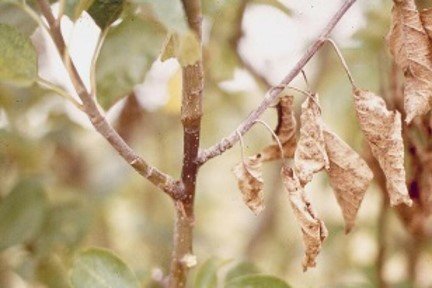 |
The plant appears as if it has been scorched by fire; watery exudate may be present in infected areas. | Indofa + Bacillus + Bacillus Subtilis |
| Powdery Mildew |  |
White velvety patches on the underside of leaves; chlorotic spots on the top side of the leaves | Lifeline + Indofa + BT + Bacillus |
| Black Rot | 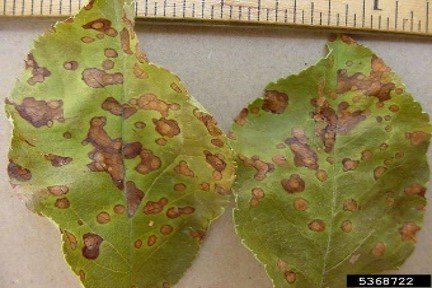 |
Purple flecks or circular lesions which are brown in the center and purple at the margin; red flecks, purple lesions, and/or brown-black rings on fruit. | Indofa + Bacillus |
NUTRITION DEFICIENCY
| NUTRIENT | IDENTIFICATION | SYMPTOMS | SUGGESTED PRODUCT |
|---|---|---|---|
| Potassium | 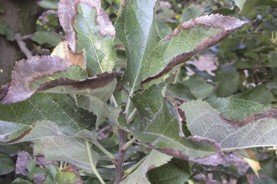 |
Old leaves are bluish green with scorched margins (brown or grey). Margins may first appear light green and later turn necrotic. Necrosis progresses from the margins inward to the midrib. | Potash Grow Caps |
| Sulphur | 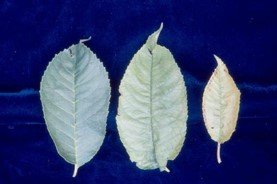 |
Leaf growth is reduced and leaves are pale green/yellow in color. Chlorotic leaves eventually develop necrotic blotches near the margin. Symptoms start at younger leaves. | Sulphur Grow Caps |
| Iron | 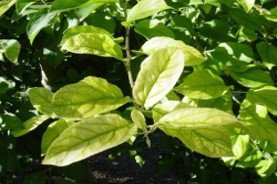 |
Symptoms always start at the youngest leaves with yellow-green, later lemon yellow, and pale yellow to whitish interveinal chlorosis. The main veins still remain green. | ALP |
| Manganese |  |
Symptoms start at young, fully developed, and medium leaves. They show yellow-green or yellow interveinal chlorosis. Veins and adjacent tissue remain green. | ALP |
| Zinc | 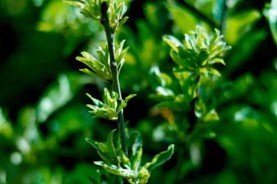 |
Typical symptoms of zinc deficiency are "little leaf" and "rosetting", caused by short internodes. Leaves are small, longish, and partly yellow in color. Often interveinal chlorosis is visible. | Zinc Grow Caps |
KEY FARMING POINTS
KEY FARMING POINTS
- SCIENTIFIC NAME = Nephelium lappaceum.
- SOIL TYPE = It thrives in well-drained, slightly acidic soil. A sandy loam or loamy mix rich in organic matter is ideal. Avoid heavy clay or waterlogged conditions that can suffocate roots.
- SOIL PH = Rambutan thrives in slightly acidic, well-drained soil. The ideal pH range falls between 5 and 6.5. Soil outside this range can affect nutrient uptake and hinder growth.
- CLIMATE / TEMPERATURE = Rambutan thrives in hot, humid Southeast Asian climates with consistent rainfall. Ideal temperatures range from 22-30°C (72-86°F) year-round, with minimal temperature fluctuations. They struggle in cold or dry conditions.
- SPACING = Rambutan trees favor ample space for growth. The recommended planting distance is typically 6 meters x 6 meters (20ft x 20ft) to ensure proper air circulation, sunlight access, and room for mature tree size, ultimately promoting healthy fruit production.
- SEASON OF PLANTING = Rambutan enjoys consistent warmth! Southeast Asian planting typically occurs year-round due to the region's warm climate, allowing for ongoing rambutan cultivation and harvests.
- MANURING & FERTILIZATION = Fertilizer requirement depends on the fertility, plant age, and quality of the soil.
- WATER MANAGEMENT = Rambutan thrives with consistent moisture but avoid soggy roots! Deep water before flowering and during dry spells. Well-drained soil is key. Monitor dryness and adjust watering accordingly to prevent root rot, a common threat in humid areas. Mulching helps retain moisture and regulate soil temperature.
- HARVESTING = Rambutan requires patience! It takes 15-17 weeks after flowering for the fruit to fully mature and be ready to harvest. Harvest windows can span several weeks as fruits ripen at different rates on the same tree.
- YIELD = Rambutan's yield is a waiting game! Trees take 5-7 years to mature and fruit, with harvests ranging from 20 to 50 kg per tree Good management can increase yields, but remember, quality rambutans are worth the wait!
NOTE:
- Recommended dosage on this crop schedule can vary depending on soil health, environmental conditions, and pest attacks.
- Add available forms of Phosphorus and Potash depending on the crop and crop varieties before every Transplantation.
- Add available forms of calcium and magnesium as per the requirement.
- 1-acre POORNIMA KIT contains: -
- NPK caps = 2 caps
- Zinc caps = 1 cap
- Cropforce Nano Powder = 120gm
- Humigrow Nano Powder = 120 gm
- Mycorrhiza nano powder = 100 gm
PRECAUTIONS: -
- Biofertilizer is not a chemical fertilizer hence do not mix with agrochemicals.
- Do not expose it to direct sunlight or heat.
- Use Bio-fertilizer before or after 3-4 days of use of chemical fertilizer.
- Please, clean the sprayer before the use of Bio-fertilizer or bio-pesticide.