


CROP SCHEDULE FOR CABBAGE
| Sr. No. | Treatment / Application | Product | Dose /Acre | APPLICATION | Management |
|---|---|---|---|---|---|
| 1 | Vegetative – Dissolve in 20 to 200 ltr. of water as required for 1 acre of land and apply through Drip Irrigation or drench. | POORNIMA KIT | 1 Kit | Apply it in 1st, 5th & 9th month. | It is a balanced form of nutrients that includes NPK, Zinc, Cropforce NP, Humigrow NP, and Mycorrhiza NP |
| 2 | Vegetative – Mix all with the required amount of water and apply through drip irrigation, flood irrigation, or drenching as per farmer’s availability. | NPK + Humigrow | 2 Caps + 120gm | Apply it in 3rd, 7th & 11th month. | It is a balanced form of Nutrition that includes NPK. |
| 3 | Flowering – Mix both in 20 – 200 liters of water as per requirement and spray it in the plants. | ALP + Sonhabihan | 250gm + 250gm | Apply it during the flowering period. | It is a Micronutrient and PGP that helps in Growth, Fruit set, and the quality of the produce. |
| 4 | Fruiting – Mix it in required amount of water and apply it to the soil near the plant roots. | ALP | 500gm | Apply it during the fruiting period. | It is a multi-micronutrient. |
NOTE: For any kind of Deficiency, Pest attacks, or Fungal or Bacterial diseases use the products as suggested.
PEST ATTACKS, BACTERIAL, OR FUNGAL MANAGEMENT
| PEST / BACTERIAL / FUNGAL | IDENTIFICATION IN CROP | SYMPTOMS | SUGGESTED PRODUCT |
|---|---|---|---|
| Fire Blight | 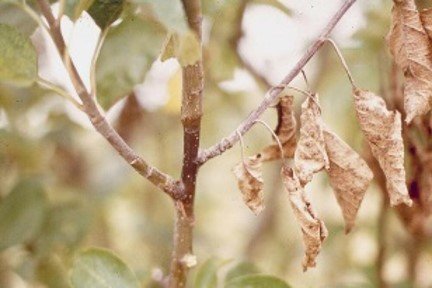 |
The plant appears as if it has been scorched by fire; watery exudate may be present in infected areas. | Indofa + Bacillus + Bacillus Subtilis |
| Powdery Mildew | 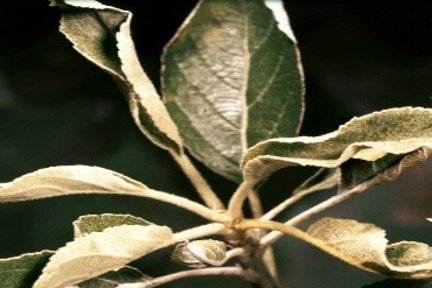 |
White velvety patches on the underside of leaves; chlorotic spots on the top side of the leaves | Lifeline + Indofa + BT + Bacillus |
| Black Rot | 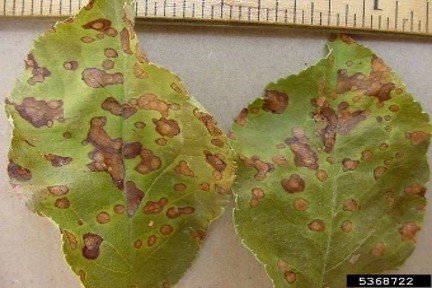 |
Purple flecks or circular lesions which are brown in the center and purple at the margin; red flecks, purple lesions, and/or brown-black rings on fruit. | Indofa + Bacillus |
NUTRITION DEFICIENCY
| NUTRIENT | IDENTIFICATION | SYMPTOMS | SUGGESTED PRODUCT |
|---|---|---|---|
| Potassium |  |
Old leaves are bluish green with scorched margins (brown or grey). Margins may first appear light green and later turn necrotic. Necrosis progresses from the margins inward to the midrib. | Potash Grow Caps |
| Sulphur | 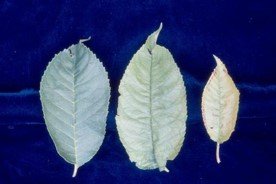 |
Leaf growth is reduced and leaves are pale green/yellow in color. Chlorotic leaves eventually develop necrotic blotches near the margin. Symptoms start at younger leaves. | Sulphur Grow Caps |
| Iron | |
Symptoms always start at the youngest leaves with yellow-green, later lemon yellow, and pale yellow to whitish interveinal chlorosis. The main veins still remain green. | ALP |
| Manganese |  |
Symptoms start at young, fully developed, and medium leaves. They show yellow-green or yellow interveinal chlorosis. Veins and adjacent tissue remain green. | ALP |
| Zinc | 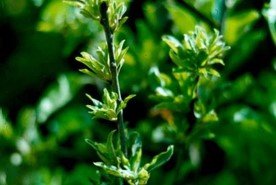 |
Typical symptoms of zinc deficiency are "little leaf" and "rosetting", caused by short internodes. Leaves are small, longish, and partly yellow in color. Often interveinal chlorosis is visible. | Zinc Grow Caps |
KEY FARMING POINTS
KEY FARMING POINTS
- SCIENTIFIC NAME = Garcinia mangostana
- SOIL TYPE = Mangosteen prefers slightly acidic, well-drained soil. Aim for a sandy loam or loamy mix rich in organic matter for optimal growth and fruit quality. Avoid heavy clay or waterlogged conditions.
- SOIL PH = Mangosteen thrives in slightly acidic soil, ideally with a pH between 5 and 6.5. Straying too far from this range can affect nutrient uptake and hinder healthy growth.
- CLIMATE / TEMPERATURE = Mangosteen thrives in warm, humid tropics with consistent temperatures. Think 22-30°C (72-86°F) year-round. Avoid frost and sudden temperature drops, as they can damage the trees and fruit.
- SPACING = Mangosteen trees need ample space for proper growth and fruit production. Plant them 8-12 meters (26-40 feet) apart in a triangular pattern to allow for sunlight penetration and air circulation.
- SEASON OF PLANTING = Mangosteen isn't picky! Due to its need for consistent warmth and moisture, Southeast Asian growers can plant mangosteen throughout the year, though some prefer the beginning of the rainy season (May-June) for a natural moisture boost during establishment.
- MANURING & FERTILIZATION = Fertilizer requirement depends on the fertility, plant age, and quality of the soil.
- WATER MANAGEMENT = Mangosteen dislikes dry spells but hates soggy feet! Consistent moisture is key, with deep watering during dry periods. Well-drained soil prevents root rot. Mulching helps retain moisture and regulate soil temperature.
- HARVESTING = Picking mangosteen is a waiting game! It takes 5-8 years for trees to mature and bear fruit. Once ready, the harvest window is brief, with mangosteen turning a deep purple when ripe for picking. Careful handling is key to avoid damaging the delicate skin.
- YIELD = Mangosteen trees take their time! Expect them to reach maturity and start fruiting around 7-10 years after planting. Yields can vary depending on variety and care but range from 50-200 fruits per tree